


Posted on: 1st June 2026
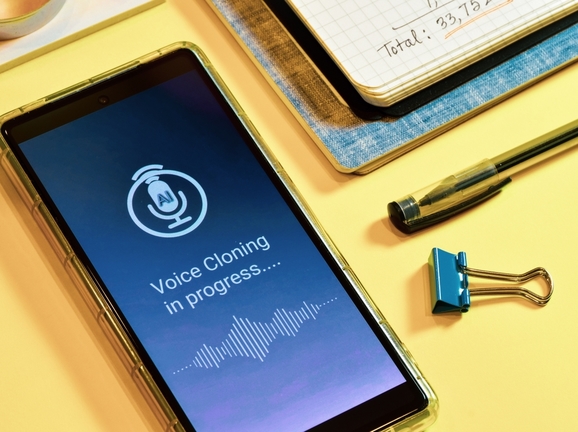
Phone scams are taking a sinister twist as a new approach sees victims’ voices being cloned.
It takes just three seconds of audio to clone a voice – and the latest fraud tactic seems to be targeting older people.
Criminals are using AI technology to clone people’s voices and set up unauthorised direct debits over the phone, according to new evidence from National Trading Standards.
The advanced voice cloning is part of an organised criminal operation that harvests people’s personal data to target victims with a wave of scam and nuisance calls.
The process usually starts with a cold call claiming to run a survey. This may seem harmless enough, but in fact it is designed to gather detailed personal, health and financial information.
The criminals use this data to develop AI-generated voice clones used to simulate consent for direct debits, deceiving even legitimate businesses and financial providers.
These details appear then to be passed or sold to other criminal operations who, with the details, can easily circumvent the banks and set up payments without the victim’s knowledge.
Worryingly, victims often do not realise payments are being taken.
As part of the data, figures from National Trading Standards show:
- On average, UK adults receive SEVEN scam calls or texts per month
- 1 in 5 (21%) receive scam calls or texts most days – and almost 1 in 10 (9%) receive them every day
- NTS blocked nearly 21 million scam phone calls and shut down 2,000 numbers in a six-month period.
This new wave of technologically sophisticated scams highlights the need for increased vigilance, particularly among older people who are often specifically targeted.
Some of you may have seen the subject covered on a recent episode of BBC’s Morning Live – with Scam Interceptor, Nick Stapleton. His advice is to stay silent on the phone if you receive a cold call or a call you are not expecting and / or simply hang up without engaging in conversion. Do ring the company the person is claiming to be from to verify the details.
Ultimately, be cautious about sharing personal information over the phone and to be alert to any suspicious activity on your accounts.
Voice cloning know-how is just a click away, with the Internet hosting a number of ‘how to’ sites on the subject.
If you or someone you know receives unexpected calls asking for personal information, it is recommended to hang up and contact your bank or service provider directly using trusted contact details.
 100% secure - we never share your email