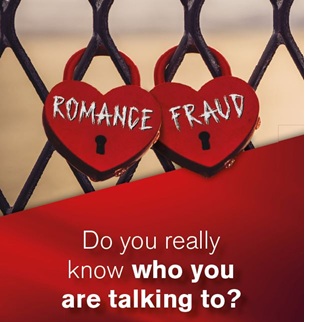
You sign up to an online dating service and meet someone who sounds like the perfect match. You send messages to each other for a while until the person asks for some kind of financial help.
Based on recent analysis from TSB Bank (February 2026), the average "relationship" with a romance fraudster lasts approximately 95 days. During this period, fraudsters invest significant time building emotional trust before coercing victims into sending money, often resulting in an average loss of £7,500.
Here are the key details regarding this 95-day cycle of fraud:
The 95-Day Scam Cycle
Duration: The average scam lasts 95 days from the first to the last payment.
Pattern of Payments: Victims often send an average of 11 separate payments over this period.
Escalation: Scammers start by building rapport, often moving the conversation off-platform, before introducing a crisis that requires money.
Long-term Scams: While 95 days is the average, some scams are highly patient, with reports of payments continuing over 42 months.
Common Tactics and Red Flags
Pretext for Cash: Almost half (48%) of scammers claim to be in financial difficulty, while others cite medical emergencies (9%), travel costs to visit (37%), or, in 4% of cases, resort to blackmail.
False Personas: Fraudsters often claim to be working abroad, serving in the military (18%), or working on oil rigs (10%) to justify not meeting in person.
Digital Manipulation: Scammers are increasingly using AI to create realistic voice notes or videos.
Platforms: Over half (58%) of cases stem from social media, with Facebook being a primary source.
Who is Targeted?
Age Profile: People over 55 account for 58% of all cases.
Most Targeted Group: Individuals aged 65–74 represent 23% of cases.
Gender: While often associated with older, lonely individuals, these scams target all demographics, with 25-34 year olds making up 16% of cases.
How to Protect Yourself
Stop and Think: If someone you have not met in person asks for money, it is likely a scam.
Reverse Image Search: Check profile pictures to see if they are stolen from others.
Video Chat: Request a live, face-to-face video call. Scammers often have excuses (e.g., broken camera) to avoid this.
Report It: If you have been a victim, report it immediately to Report Fraud (0300 123 2040) and contact your bank.
While online dating is an increasingly popular way of meeting people, it is vital to stay guarded — especially now with the use of AI — until we can be sure it’s a real person we are speaking to. And if the conversation turns to money, it’s time to stop!
Safe Local Tradeshttps://www.safelocaltrades.com[email protected]0800 014 1832Allia Future Business Centre, Peterborough United Football Club, Peterborough, Cambs, PE2 8ANhttps://www.safelocaltrades.com/images/scaffolding/header-logo.png



 You sign up to an online dating service and meet someone who sounds like the perfect match. You send messages to each other for a while until the person asks for some kind of financial help.
 100% secure - we never share your email